
What Is IVF? Stages of In Vitro Fertilization and Embryo Transfer
IVF is an assisted reproductive treatment in which an egg and sperm are fertilized in the laboratory and the resulting embryo is transferred into the uterus. The main stages include ovarian stimulation, egg retrieval, sperm preparation, fertilization, embryo culture, embryo transfer, and pregnancy testing.
What Is IVF? Stages of In Vitro Fertilization and Embryo Transfer
In vitro fertilization (IVF) is an assisted reproductive technology in which eggs and sperm are collected from the intended parents. Fertilization takes place outside the body in a laboratory, and the resulting embryo is subsequently transferred into the uterus.
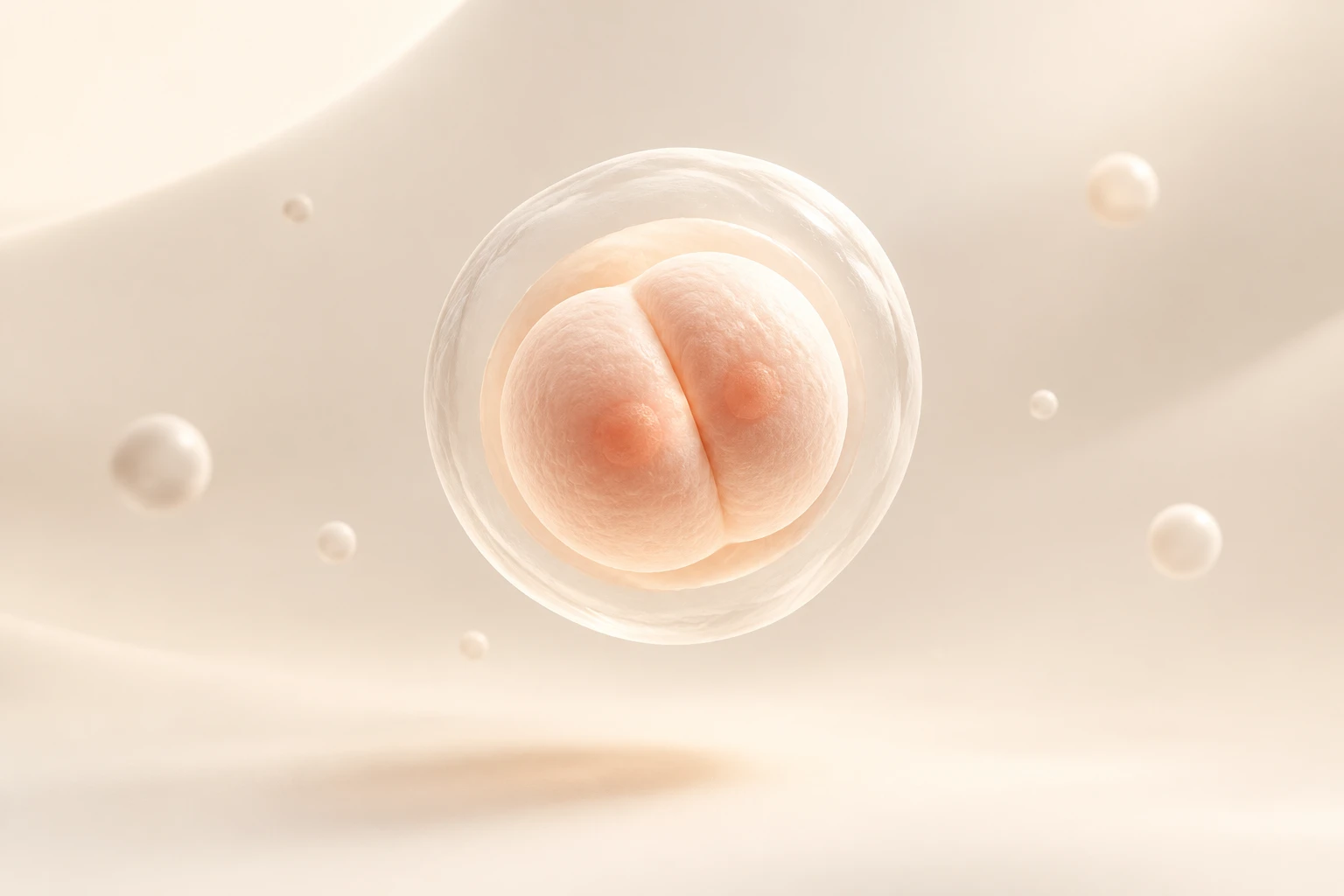
During IVF, the egg and sperm are fertilized in a controlled laboratory environment. After fertilization and early embryo development, the embryo is transferred into the uterus using a thin catheter.
According to the patient education pamphlet, IVF may be used to treat infertility in couples with conditions such as blocked fallopian tubes, pelvic adhesions, low sperm count, reduced sperm motility, or failure of less invasive treatments, including ovulation induction and intrauterine insemination (IUI).
The main stages of IVF include ovarian stimulation, egg retrieval, sperm collection, fertilization and embryo culture in the laboratory, and embryo transfer into the uterus. A pregnancy test is generally performed approximately two to three weeks after embryo transfer, according to the protocol recommended by the fertility specialist.
For further information about IVF and an individualized assessment of treatment options, patients may contact Samer Clinic.
What Is IVF?
IVF is a fertility treatment in which an egg and sperm are fertilized in the laboratory. After an embryo forms and develops, it is transferred into the uterus.
Main Stages of IVF
Ovarian stimulation with fertility medications
Egg retrieval
Collection and assessment of the sperm sample
Fertilization of the egg and sperm in the laboratory
Embryo culture and development
Embryo transfer into the uterus using a thin catheter
Pregnancy testing approximately two to three weeks after embryo transfer
Comments
Share your thoughts about this article.
نظر تست
تست انجام شد