
What Is Egg Freezing? Stages, Reasons, and Eligibility for Oocyte Cryopreservation
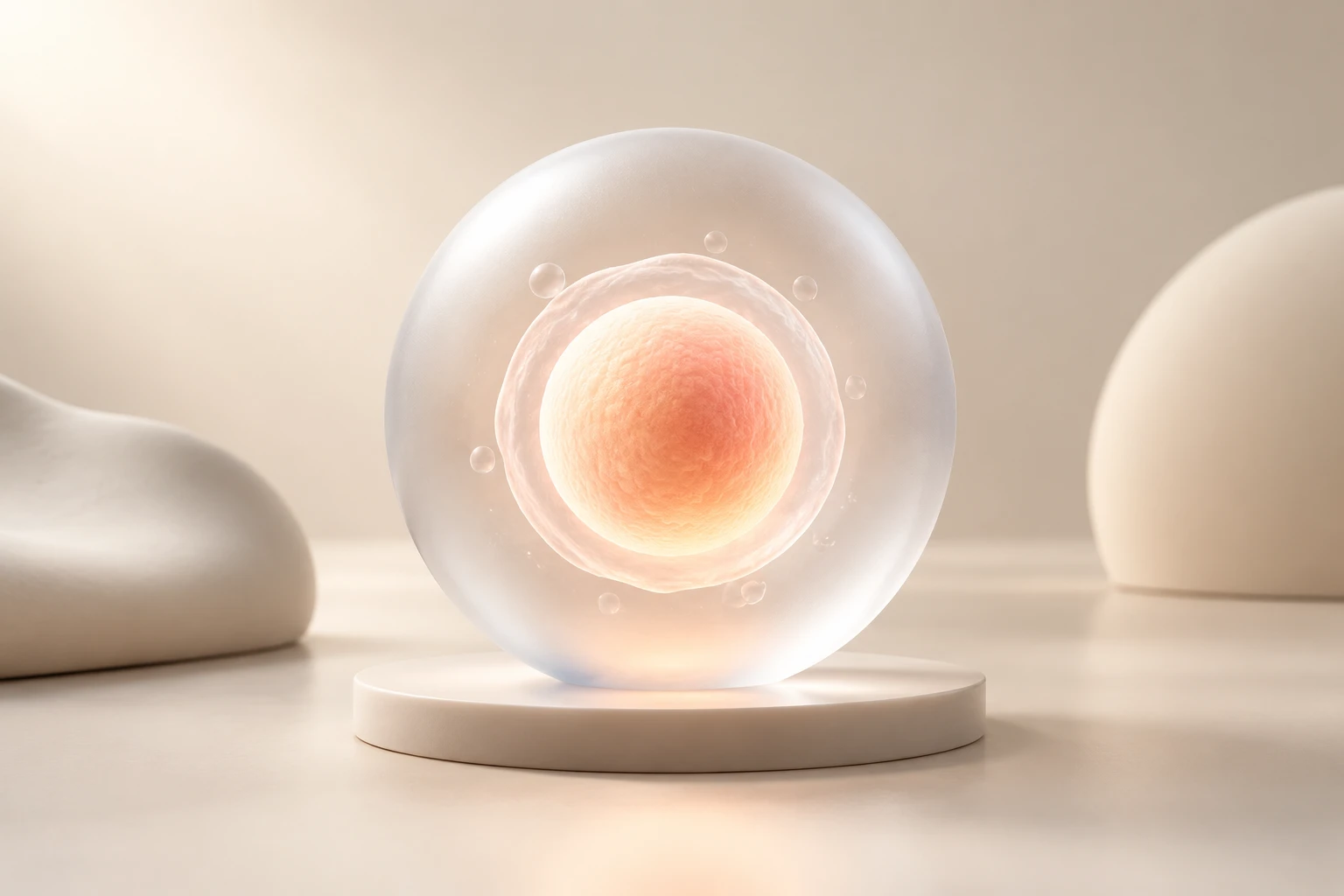
What Is Egg Freezing?
Egg freezing, medically known as oocyte cryopreservation, is a fertility-preservation technique in which a woman’s mature eggs are retrieved from the ovaries and preserved for potential use in the future. This method may help extend reproductive options and allow pregnancy to be considered at a later age.
In general, both egg quantity and quality gradually decline with age. This decline becomes more clinically significant after approximately 35 years of age and may reduce the likelihood of successful conception while increasing the risk of certain chromosomal abnormalities. For this reason, some women choose to freeze a number of their eggs before reaching this age. The number of eggs required varies according to the woman’s age, ovarian reserve, and individual reproductive goals; therefore, the commonly recommended number of 10 to 15 eggs should not be considered a universal standard.
In some cases, egg retrieval and cryopreservation may still be possible at around 40 years of age or later. However, the likelihood of obtaining a sufficient number of mature, chromosomally healthy eggs generally decreases with advancing age. Properly frozen eggs can remain preserved for many years without a clinically significant decline in their quality. Nevertheless, the future chance of pregnancy depends on several factors, including the woman’s age at the time of egg freezing, the number and maturity of the preserved eggs, the thawing and fertilization outcomes, embryo development, and the condition of the uterus.
Reasons for Using Frozen Eggs
The use of frozen eggs may be considered for a variety of medical, reproductive, and personal reasons. In many cases, egg freezing is performed to preserve fertility and extend the period during which a woman may pursue pregnancy.
The main indications and reasons for egg cryopreservation include:
Preserving fertility before treatments that may damage ovarian function, such as chemotherapy or radiotherapy
Preserving fertility before ovarian surgery, including laparoscopic removal of fibroids or ovarian cysts
Preserving future reproductive potential in women who wish to postpone pregnancy for educational, professional, or personal reasons
Preserving the opportunity to use younger and potentially higher-quality eggs in the future
Storing surplus mature eggs obtained during an IVF cycle for possible future use
Preserving reproductive options for women who are not currently ready to pursue pregnancy
Providing the possibility of in vitro fertilization and embryo transfer to the woman’s uterus or, when medically or legally indicated, to a gestational carrier
Reducing the risk of losing ovarian reserve as a result of future pelvic or ovarian surgery
Preserving fertility in women at risk of premature ovarian insufficiency due to genetic conditions, such as Fragile X premutation or Turner syndrome
Preserving fertility in women with other medical conditions that may impair ovarian function
Preserving fertility before treatment for autoimmune diseases, including lupus
Preserving reproductive potential in women with autoimmune disorders or sickle cell disease
Preserving fertility in women who may be at increased risk of ovarian failure
Voluntarily donating eggs to infertile couples, where permitted by applicable medical regulations and law
The decision to freeze eggs should be made after an evaluation by a reproductive endocrinologist or fertility specialist. This assessment may include ovarian reserve testing, such as anti-Müllerian hormone testing, antral follicle count, and a review of the patient’s medical and reproductive history.
Stages of Egg Freezing
Egg freezing generally takes approximately two to four weeks and involves several stages.
1. Ovarian Stimulation
The first stage is controlled ovarian stimulation. Under normal circumstances, the ovaries typically develop and release one mature egg during each menstrual cycle. During an egg-freezing cycle, injectable fertility medications are used to stimulate the development of multiple ovarian follicles and mature several eggs simultaneously.
Throughout the stimulation phase, the patient is monitored through regular blood tests and transvaginal ultrasound examinations. Blood tests help assess the body’s response to the medications and monitor hormone levels, particularly estradiol. Transvaginal ultrasound is used to evaluate the number, size, and development of the ovarian follicles.
The duration of ovarian stimulation varies from patient to patient, but it commonly lasts approximately 8 to 12 days. The treatment plan may be adjusted according to the patient’s ovarian response and the risk of complications, including ovarian hyperstimulation syndrome.
2. Egg Retrieval
Once the follicles have reached an appropriate size and the eggs are considered mature, a final maturation injection, commonly referred to as a trigger injection, is administered. Egg retrieval is usually scheduled approximately 34 to 36 hours after this injection.
The procedure is performed under intravenous sedation or anesthesia to minimize discomfort. Using transvaginal ultrasound guidance, the physician introduces a thin aspiration needle through the vaginal wall into the ovarian follicles and retrieves the follicular fluid containing the eggs.
The retrieved eggs are immediately transferred to a specialized container and delivered to the embryology laboratory, where they are examined and prepared for cryopreservation. The procedure usually takes approximately 20 to 30 minutes.
Most patients are discharged a few hours after egg retrieval. Mild pelvic discomfort, abdominal cramping, bloating, or light vaginal spotting may occur for several days. These symptoms are usually temporary. Patients should follow the post-retrieval instructions provided by their fertility specialist and seek medical attention if they experience severe pain, heavy bleeding, shortness of breath, persistent vomiting, fever, or rapidly increasing abdominal distension.
3. Egg Freezing
After retrieval, the eggs are promptly assessed in the embryology laboratory. Mature eggs are generally preserved using a rapid-freezing technique known as vitrification. In this process, the eggs are exposed to specialized cryoprotective solutions and rapidly cooled to ultra-low temperatures, usually in liquid nitrogen.
The frozen eggs are stored in labeled cryogenic containers under carefully controlled laboratory conditions. When the patient decides to pursue pregnancy, the eggs are thawed and evaluated. Because the outer layer of the egg is relatively resistant to sperm penetration after vitrification, the thawed eggs are commonly fertilized using intracytoplasmic sperm injection (ICSI). The resulting embryos may then be cultured and transferred to the uterus when clinically appropriate.
Medical Review Information
Source | Date of Preparation | Scientific Supervisor | Compiled by |
|---|---|---|---|
Spiroff, 2018 | Dr. Pegah Kermani | November 2025 | Mahsa Zahedi, Midwifery Specialist |
Egg freezing does not guarantee a future pregnancy. The expected outcome depends on the woman’s age at egg retrieval, ovarian reserve, the number and maturity of the frozen eggs, laboratory performance, fertilization results, embryo development, and uterine factors. A fertility specialist should determine whether egg freezing is appropriate for each individual patient.
Comments
Share your thoughts about this article.
No comments have been posted for this article yet.