
What is IUI? Intrauterine Insemination Steps and Aftercare
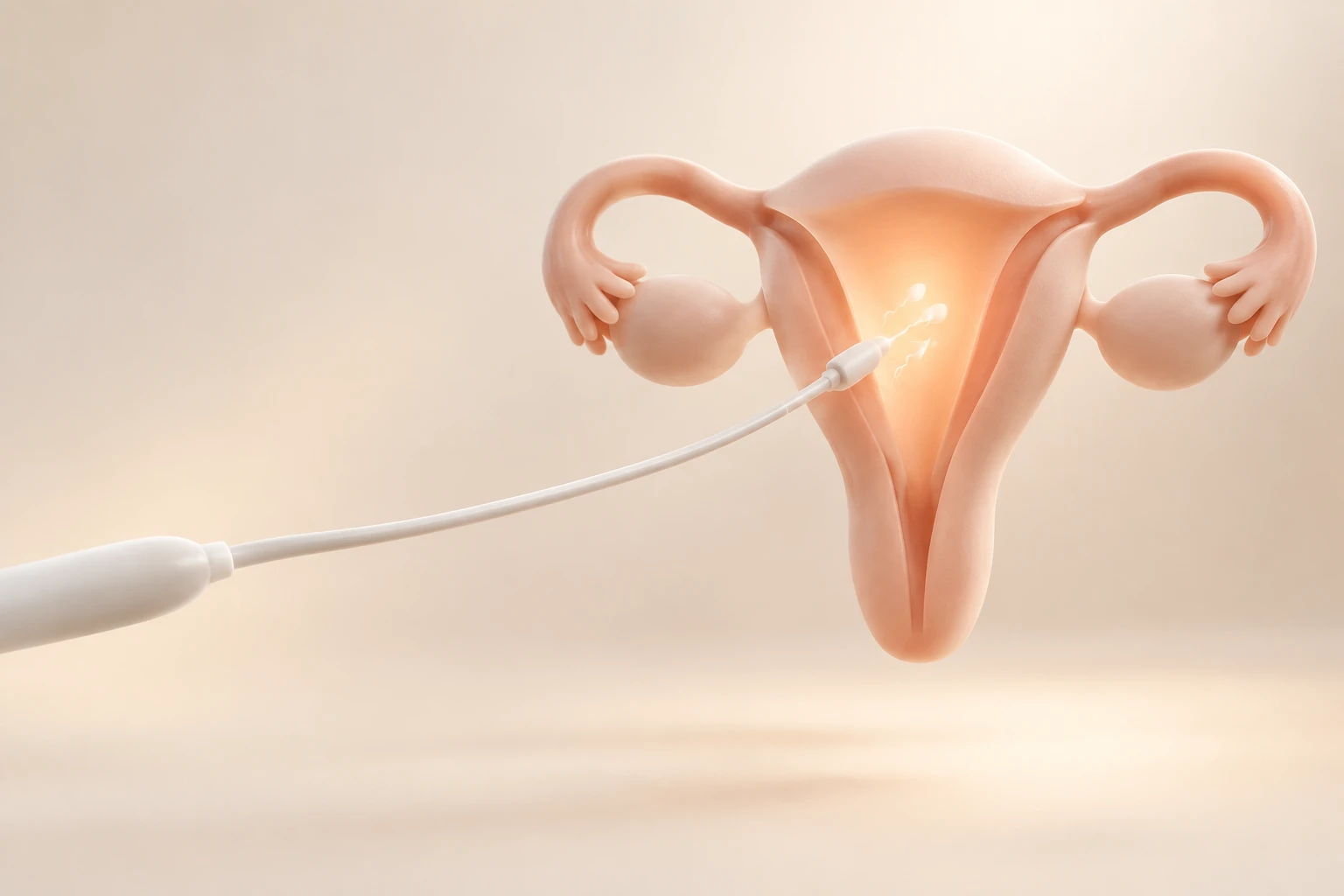
IUI, or Intrauterine Insemination, is a medical procedure introduced to assist infertile couples. In this method, a semen sample is processed—washed and refined to isolate healthy sperm—and then transferred into the uterus through the vagina and cervix.
What is IUI? Intrauterine Insemination Steps and Aftercare
Introduction
IUI, or Intrauterine Insemination, is a medical procedure introduced to assist infertile couples. In this method, a semen sample is processed—washed and refined to isolate healthy sperm—and then transferred into the uterus through the vagina and cervix.
What is IUI?
In the IUI procedure, a semen sample is collected from the male partner. In the laboratory, the sample is washed to separate active and motile sperm from other components. Once prepared, the sample is transferred into the uterus by the physician.
The goal of this method is to increase the probability of sperm reaching the egg, thereby increasing the overall chances of pregnancy.
Indications for IUI
According to the clinical pamphlet, IUI can be used to treat infertility in the following cases:
Male factor infertility
Unexplained infertility
Ovulatory dysfunction
Cervical factor infertility
Uterine factor infertility
Mild endometriosis
HIV-positive patients
Inability to time intercourse due to work constraints
The Best Time for IUI
The optimal time for IUI is around the time of ovulation. On the first or second day of the menstrual cycle, an ultrasound is performed to assess the condition of the ovaries and the uterus.
If the ovarian and uterine conditions are suitable, ovulation induction medication is prescribed. Subsequently, a follow-up ultrasound is performed on the 11th or 12th day of the cycle to evaluate the ovarian response.
After verifying the presence of mature follicles and a healthy endometrium, a trigger injection is administered to induce ovulation. According to the pamphlet, IUI is typically performed approximately 24 to 36 hours after this injection.
Steps of the IUI Procedure
1. Egg Production
Normally, the ovaries release one egg per month. If necessary, the physician will prescribe ovulation induction drugs to stimulate the release of more than one egg.
2. Determining Ovulation Timing
Since the insemination must occur during ovulation, the physician will precisely determine this timing. In some cases, a trigger injection (HCG) is used to ensure ovulation occurs at a specific time. The pamphlet notes that ovulation usually occurs 36 hours after the HCG injection, and the IUI procedure is conducted 24 to 48 hours after that injection.
3. Sperm Washing
On the day of the procedure, a semen sample is collected from the male. Because non-sperm elements in the semen can cause reactions in the woman’s body, the sample is first washed in the laboratory. This process separates the active, motile, and high-quality sperm.
4. Sperm Insemination
The physician uses a thin, flexible tube called a catheter to transfer the washed sperm sample through the cervix and into the uterus. This procedure takes only a few minutes and, according to the pamphlet, is painless in most cases.
5. Pregnancy Test
A pregnancy test can be performed two weeks after the insemination. The pamphlet specifically recommends a BHCG hormone test approximately two weeks post-IUI.
Aftercare Following IUI
The patient is discharged a few minutes after the procedure.
Strict bed rest is usually not required after IUI.
The patient can resume normal daily activities.
Heavy physical exertion should be avoided.
Avoiding stress and anxiety is highly recommended.
According to the pamphlet, it is advised to have intercourse for three nights following the procedure.
Important Considerations
The exact timing for IUI and ovulation is determined solely by the physician.
The highest success rate, according to the pamphlet, is observed in the presence of 2 to 3 follicles.
A higher number of follicles increases the risk of multiple pregnancies.
If treatment is unsuccessful after three IUI attempts, alternative treatment methods should be considered.
The pregnancy test is scheduled for two weeks after the procedure.
Conclusion
IUI is a method where washed, high-quality sperm are transferred into the uterus close to the time of ovulation. The key stages include ovarian monitoring, determining ovulation timing, sperm washing, the insemination process, and the final pregnancy test.
To receive guidance regarding IUI and to schedule a consultation, please contact Samar Clinic or use our online appointment booking system.
Frequently Asked Questions (FAQ)
What is IUI?
IUI (Intrauterine Insemination) is a procedure where a processed sperm sample is transferred into the uterus through the cervix after washing.
What is the best time for IUI?
The best time is around the time of ovulation. The exact timing is determined by your physician based on an assessment of your ovaries.
What happens during the sperm washing stage?
The semen sample is processed in the laboratory to separate active and motile sperm from other components, ensuring the best quality sample for insemination.
Is bed rest required after IUI?
No. According to the pamphlet, the patient is discharged shortly after the procedure and does not need bed rest. However, avoiding heavy activity, stress, and anxiety is recommended.
When should the pregnancy test be taken?
The pamphlet recommends taking a BHCG hormone test approximately two weeks after the IUI procedure.
What happens if IUI is unsuccessful?
According to the pamphlet, if pregnancy is not achieved after three IUI cycles, alternative treatment options should be explored.
Comments
Share your thoughts about this article.
No comments have been posted for this article yet.