
Intrauterine Insemination (IUI)
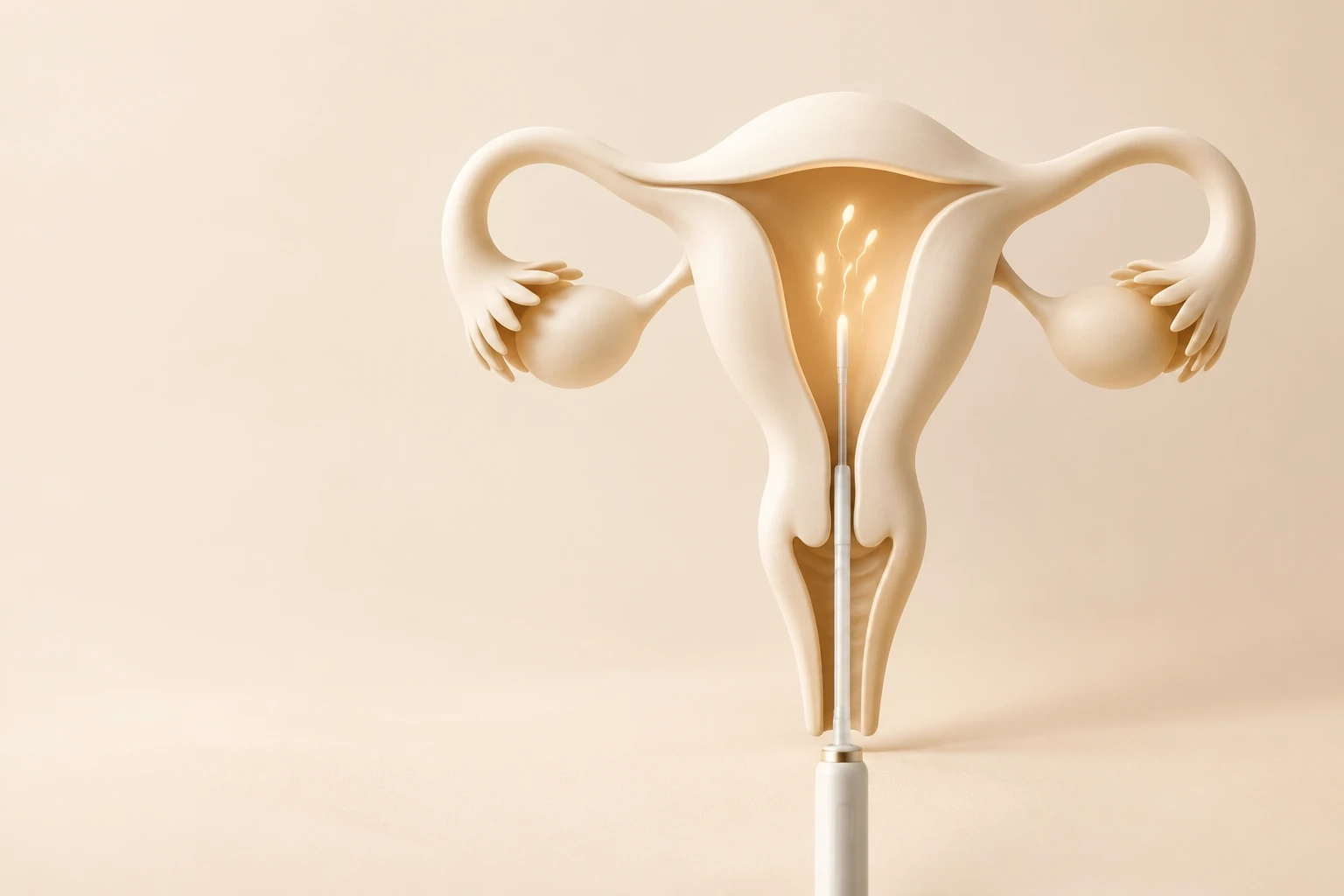
Intrauterine Insemination (IUI) is a medical procedure in the field of fertility treatment through which sperm is directly injected into the uterine cavity. This technique is routinely recommended for couples facing fertility challenges and can be effective across a variety of clinical indications.
Applications of IUI
One of the primary applications of IUI is in cases where the male partner experiences issues such as low sperm count or poor sperm motility. Additionally, for women with irregular ovulation patterns or couples who have not achieved success with alternative fertility interventions, IUI serves as a viable option. In this procedure, after laboratory processing and preparation, the male partner’s sperm is transferred into the woman’s uterus using a specialized catheter.
Does It Require Hospitalization?
IUI is typically performed on an outpatient basis without requiring hospital admission, and its stages are relatively simple and fast:
Ovarian Stimulation: The initial phase involves stimulating the ovaries with specialized medications to produce more mature eggs.
Ovulation Timing: Ovulation is monitored and controlled using targeted hormonal treatments.
Insemination: Once ovulation occurs, the processed sperm is transferred directly into the uterine cavity by the physician.
The clinical outcomes of IUI depend on multiple factors, including maternal age, overall health status of the couple, and the underlying cause of infertility. Under optimal conditions, the success rate of IUI ranges between 10% and 20% per cycle. However, this procedure may require multiple cycles and can also be utilized alongside other advanced assisted reproductive technologies, such as In Vitro Fertilization (IVF).
Overall, IUI is recognized as a minimally invasive, cost-effective fertility treatment that provides a viable and promising solution for many couples.
Comments
Share your thoughts about this article.
Tset Comment For English Versin Blog
Test is Ok
خوب بود