
Common Causes of Female Infertility: From Diagnosis to Treatment
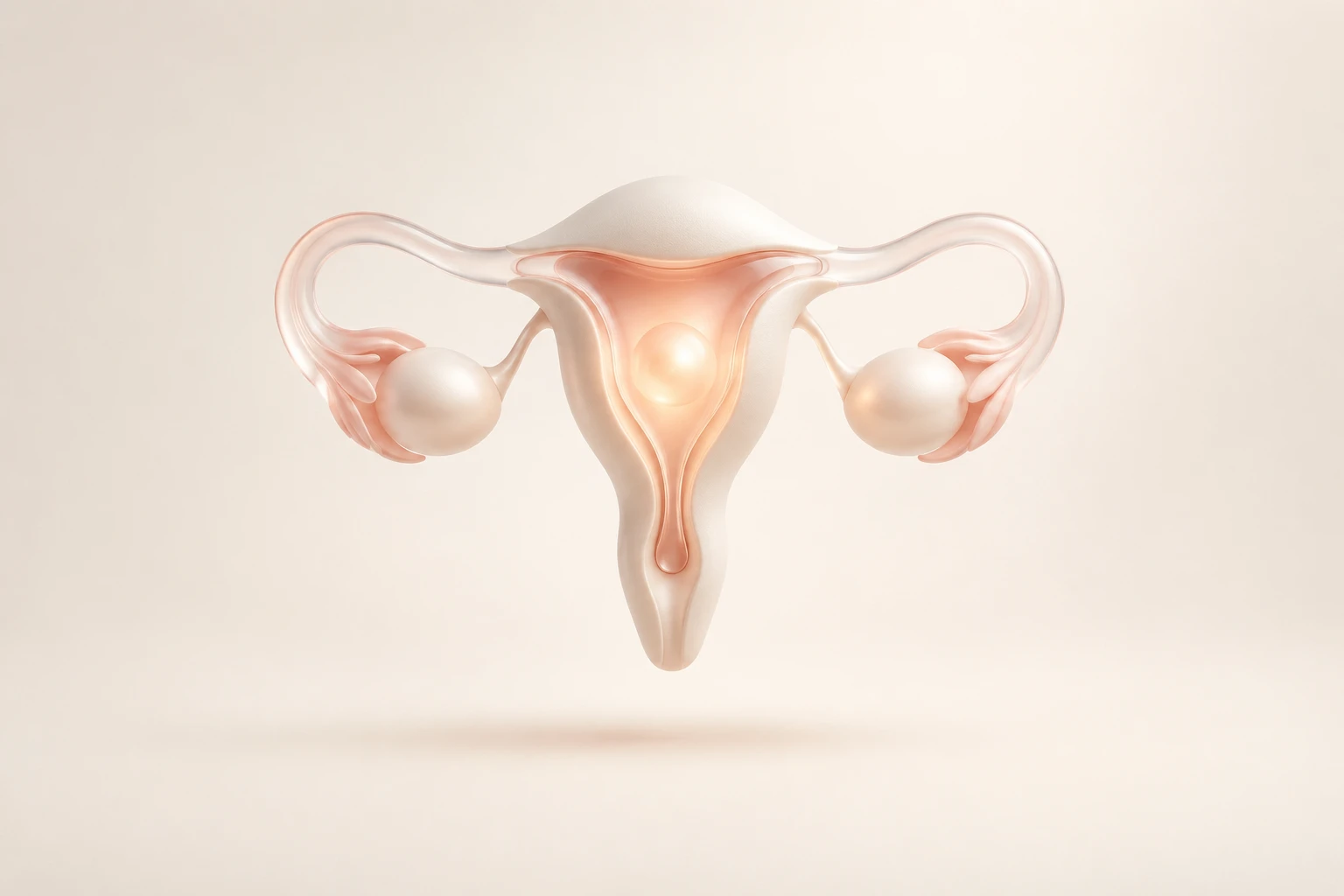
The Most Common Causes of Female Infertility: From Diagnosis to the Treatment Pathway at Samar Fertility Clinic
Infertility is one of the most stressful experiences in married life. However, in today’s medical world, infertility no longer means an absolute inability to have children; rather, it is a diagnostic challenge that requires accurate and timely evaluation. According to statistics from the World Health Organization (WHO), female factors account for approximately 40% to 50% of infertility cases. This article provides a comprehensive review of the causes of female infertility, essential diagnostic tests, and standard treatment steps at Samar Specialized Infertility Clinic.
When Is Infertility Considered in Women?
The standard medical definition of infertility depends on the woman’s age:
Women under 35 years of age: If pregnancy does not occur after one year of regular sexual intercourse without using contraceptive methods.
Women over 35 years of age: If pregnancy is not achieved after six months of regular attempts.
Women over 40 years of age: It is recommended that they undergo initial evaluations without delay and immediately after deciding to become pregnant.
What Are the Most Common Causes of Female Infertility?
The female reproductive system is a coordinated cycle involving ovulation, tubal health, uterine receptivity, and hormonal balance. A disorder in any of these components can prevent fertilization or implantation:
1. Ovulatory Disorders (Lazy Ovaries and PCOS)
The most common cause of infertility in women is an abnormality in the monthly release of the egg. Polycystic ovary syndrome (PCOS), hypothyroidism or hyperthyroidism, hyperprolactinemia (elevated prolactin levels), and premature ovarian failure (POI) are among the main factors responsible for irregular ovulation.
2. Blockage or Damage to the Fallopian Tubes
The uterine tubes, or fallopian tubes, provide the pathway for the egg to move toward the uterus and are the site where fertilization with sperm takes place. Untreated pelvic infections (PID), a history of abdominal surgery, or a ruptured appendix can cause adhesions and blockage of the tubes.
3. Endometriosis
Endometriosis occurs when tissue similar to the inner lining of the uterus grows outside the uterus, such as on the ovaries or fallopian tubes. In addition to severe menstrual pain, this condition causes pelvic adhesions, reduced egg quality, and impaired implantation of the embryo.
4. Uterine and Cervical Problems
Anatomical abnormalities such as endometrial polyps, submucosal fibroids, intrauterine adhesions (Asherman syndrome), or abnormal cervical discharge that prevents sperm from passing are other obstacles to natural pregnancy.
5. Diminished Ovarian Reserve
The number and quality of eggs decrease with age. This can be assessed with blood tests and ultrasound, and it requires a faster treatment pathway.
Guide to Diagnostic Tests for Female Infertility
Type of Test / Assessment | Purpose of the Test | Timing of the Test |
|---|---|---|
AMH hormonal test | Accurate assessment of ovarian reserve and the number of remaining follicles | On any day of the menstrual cycle |
Hormonal panel (FSH, LH, Prolactin, TSH) | Evaluation of pituitary gland function, ovulation, and thyroid health | Days 2 to 4 of menstruation |
Hysterosalpingography (HSG) | Evaluation of the patency of the fallopian tubes and the shape of the uterine cavity | After menstruation has ended and before ovulation (days 7 to 10) |
3D transvaginal ultrasound | Evaluation of endometrial thickness, antral follicles (AFC), fibroids, and cysts | According to the opinion of the treating physician |
Step-by-Step Diagnosis and Treatment at Samar Fertility Clinic
At Samar Specialized Clinic, treatment does not begin without an accurate diagnosis. The pathway for patients at this center is as follows:
Initial consultation and file preparation: Detailed analysis of menstrual cycles, lifestyle, surgical history, and simultaneous review of the husband’s semen analysis.
Basic and hormonal checkups: Evaluation of ovarian function and the body’s metabolic factors.
Anatomical evaluation of the uterus and fallopian tubes: Through advanced ultrasounds or hysterosalpingography.
Selection of an individualized treatment protocol: From simple medical treatments, such as ovulation induction, and assisted methods, such as IUI / IVF, to minimally invasive laparoscopic and hysteroscopic surgeries.
Modern Treatment Methods Based on the Cause of the Condition
Medication and lifestyle modification: The first line of treatment for women with lazy ovaries and hormonal disorders.
Laparoscopic surgery: To remove endometriosis lesions and release pelvic adhesions.
Specialized hysteroscopy: Removal of a septum, polyp, or intrauterine fibroid with minimal invasiveness.
Assisted reproductive technologies (ART): The use of IUI in cases involving mildly weak sperm or cervical problems, and the use of IVF / ICSI in cases of tubal blockage, advanced maternal age, or severely diminished ovarian reserve.
Conclusion
The treatment pathway for female infertility requires patience, scientific diagnosis, and avoidance of self-prescribed treatments. By seeking timely care at well-equipped centers, more than 85% of cases can achieve a favorable outcome through medication or assisted reproductive technologies.
Comments
Share your thoughts about this article.
No comments have been posted for this article yet.